

Introduction
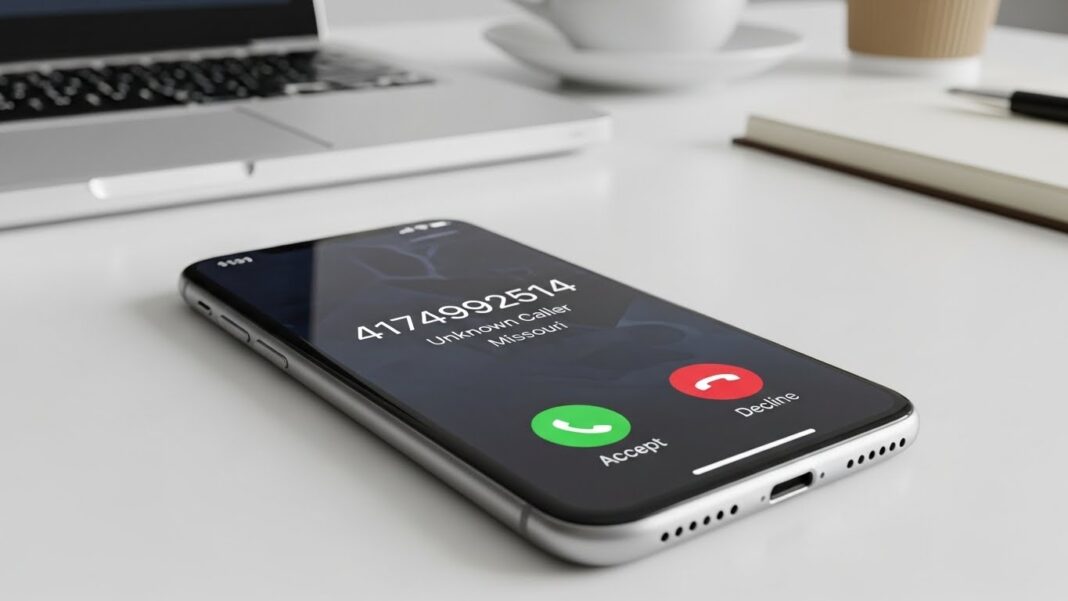
In today’s hyper-connected world, receiving unexpected phone calls has become an almost daily occurrence for millions of Americans. One number that has raised eyebrows and prompted countless online searches is 4174992514. If you’ve seen this number flash across your caller ID, you’re not alone—and you’re right to be curious about who’s on the other end of the line. Understanding the nature of unfamiliar phone numbers has become essential in protecting yourself from scams, robocalls, and unwanted solicitations that waste your time and potentially compromise your personal information.
The phone number 4174992514 originates from the 417 area code, which covers southwestern Missouri, including cities like Springfield, Joplin, and Branson. However, the geographic origin of a number doesn’t always tell the whole story in our age of Voice over Internet Protocol (VoIP) technology and number spoofing. Scammers and telemarketers can easily mask their true location, making it appear as though they’re calling from a legitimate local business when they’re actually operating from anywhere in the world.
This comprehensive guide will walk you through everything you need to know about 4174992514, including common reports associated with the number, strategies for identifying the caller’s true intentions, and practical steps you can take to protect yourself. Whether you’ve answered a call from this number or are simply being proactive about phone security, understanding how to handle suspicious calls is an invaluable skill in our digital age.
Understanding the 417 Area Code and Geographic Context
The 417 area code was established in 1950 as part of the North American Numbering Plan and has served southwestern Missouri for over seven decades. This region encompasses approximately 20 counties and serves a population of roughly 800,000 residents. Major cities within this area code include Springfield (the third-largest city in Missouri), Joplin, Branson (a popular tourist destination), and Lebanon. The area is known for its diverse economy, ranging from healthcare and education in Springfield to tourism in Branson and manufacturing throughout the region. Understanding the geographic context can sometimes provide clues about whether a call might be legitimate—for instance, if you have business connections or family in southwestern Missouri, a call from 4174992514 might warrant more attention than if you have no ties to the region.
However, it’s crucial to recognize that area codes no longer guarantee a caller’s actual location. Thanks to modern telecommunications technology, particularly VoIP services, anyone can obtain a phone number with virtually any area code regardless of where they physically operate. This practice, known as number spoofing, has become a favorite tool of scammers who want their calls to appear local or legitimate. According to the Federal Communications Commission (FCC), Americans received approximately 50 billion robocalls in 2023 alone, with a significant portion using spoofed numbers. When evaluating whether to answer or return a call from 4174992514, the area code should be just one factor in your decision-making process, not the determining factor.
Read More: Munjoff1445 APK
Common Reports and Caller Patterns Associated With 4174992514
User reports and complaint databases provide valuable insights into the nature of calls from specific numbers like 4174992514. Many people who have received calls from this number have taken to online forums, reverse phone lookup services, and consumer protection websites to share their experiences. Common themes in these reports can help you determine whether answering or engaging with this caller is worth your time. Patterns that frequently emerge include automated messages, silent calls where no one responds when you answer, aggressive sales pitches, debt collection attempts, and various phishing schemes designed to extract personal information. By studying these patterns, you can better prepare yourself for what might happen if you choose to answer a call from this number.
One particularly concerning trend in modern phone scams involves callers who create a false sense of urgency. They might claim you owe money to the IRS, that your Social Security number has been compromised, or that you’ve won a prize that requires immediate action to claim. If 4174992514 has been associated with such tactics in user reports, this represents a serious red flag. Legitimate organizations rarely demand immediate action over the phone, especially when it involves providing sensitive information or making payments. The Better Business Bureau’s Scam Tracker and the Federal Trade Commission’s complaint database are excellent resources for checking whether a number has been flagged for fraudulent activity. Remember that even if previous reports about 4174992514 seem benign, phone numbers can be reassigned or hijacked by different operations over time, so staying vigilant with every call remains essential.
Identifying Legitimate Calls Versus Scams
Distinguishing between legitimate calls and scam attempts requires developing a keen eye for red flags and understanding common tactics used by fraudsters. When a call comes in from 4174992514 or any unfamiliar number, several indicators can help you make an informed decision. Legitimate callers typically identify themselves clearly, state their affiliation with a specific company or organization, provide a clear reason for their call, and respect your time if you ask to call back later. They won’t pressure you for immediate decisions, especially regarding financial matters or personal information. In contrast, scam calls often feature aggressive urgency, vague identification, requests for sensitive information like Social Security numbers or banking details, demands for unusual payment methods (such as gift cards or wire transfers), and threats of legal action or account suspension if you don’t comply immediately.
Another critical aspect of call identification involves understanding the difference between various types of unwanted calls. Robocalls are automated, pre-recorded messages that often violate the Telephone Consumer Protection Act when made without prior consent. Telemarketing calls, while annoying, may be legal if the company follows proper regulations and respects the National Do Not Call Registry. Phishing calls specifically aim to steal your personal information for identity theft or financial fraud. Debt collection calls might be legitimate but must follow strict Fair Debt Collection Practices Act guidelines. If 4174992514 falls into any of these categories, knowing your rights empowers you to handle the situation appropriately. The key is never to feel pressured into providing information or making decisions during an unexpected call—legitimate organizations will allow you time to verify their identity and call back through official channels.
Effective Strategies for Dealing With Unknown Callers
When faced with a call from 4174992514, having a clear action plan can save you from potential scams while ensuring you don’t miss important communications. The first and often best strategy is simply not answering calls from numbers you don’t recognize. Let unknown calls go to voicemail—legitimate callers will leave a message explaining their purpose, while scammers typically won’t. If you do answer and realize it’s an unwanted or suspicious call, hang up immediately without engaging in conversation or pressing any numbers, as interaction can confirm to scammers that your number is active. Never provide personal information, financial details, or confirm facts about yourself to unsolicited callers. If the caller claims to represent a legitimate company or government agency, thank them politely, hang up, and call the organization directly using a number you find independently through their official website or documentation.
For ongoing protection against unwanted calls from numbers like 4174992514, consider implementing technological solutions and legal protections. Register your phone numbers on the National Do Not Call Registry at donotcall.gov, which prohibits most telemarketing calls (though scammers often ignore it). Most smartphones now include built-in features to block specific numbers and silence unknown callers. Third-party apps like RoboKiller, Nomorobo, or Truecaller offer enhanced protection by maintaining databases of known scam numbers and automatically blocking them. Your wireless carrier likely offers call-blocking services as well—Verizon’s Call Filter, AT&T’s ActiveArmor, and T-Mobile’s Scam Shield provide various levels of protection. Document persistent harassment by noting the date, time, and nature of calls, as this information becomes valuable if you need to file complaints with the FCC or Federal Trade Commission. Taking these proactive steps creates multiple layers of defense against unwanted calls while allowing legitimate communications to reach you.
Legal Rights and Reporting Mechanisms
Understanding your legal rights regarding unwanted phone calls empowers you to take action against violators and contributes to broader consumer protection efforts. The Telephone Consumer Protection Act (TCPA) prohibits unsolicited robocalls to cell phones without prior express consent and restricts calling times to between 8 AM and 9 PM in your local time zone. The Telemarketing Sales Rule (TSR) enforces the National Do Not Call Registry and prohibits deceptive or abusive telemarketing practices. If calls from 4174992514 violate these regulations, you have grounds for complaints and potential legal action. In some cases, violations of the TCPA can result in damages of $500 per violation, or up to $1,500 per willful violation, giving you financial recourse against persistent violators. State laws may provide additional protections beyond federal regulations, so consulting your state attorney general’s office can reveal further options.
When experiencing problematic calls from numbers like 4174992514, filing official complaints creates a record that helps authorities identify patterns and take enforcement action. The Federal Trade Commission accepts complaints at ReportFraud.ftc.gov and has collected millions of reports that inform their investigations into illegal calling operations. The Federal Communications Commission also maintains a complaint system at fcc.gov/complaints specifically for unwanted calls and text messages. Your state attorney general’s office typically has a consumer protection division that handles telecommunications fraud. For particularly aggressive or threatening calls, local law enforcement may become involved, especially if the calls constitute harassment or contain threats. While individual complaints might seem small, collectively they form the evidence base that leads to major enforcement actions—in recent years, the FTC has shut down numerous illegal robocall operations and secured hundreds of millions of dollars in judgments against violators. Your report about 4174992514 could be the piece of information that connects patterns and leads to action against scammers.
The Technology Behind Number Spoofing
Understanding the technical mechanisms that enable number manipulation helps explain why calls from numbers like 4174992514 might not be what they appear. Number spoofing relies on Voice over Internet Protocol (VoIP) technology, which converts voice communications into digital data transmitted over the internet rather than traditional phone lines. While VoIP has revolutionized telecommunications with lower costs and greater flexibility, it has also provided scammers with powerful tools for deception. VoIP services allow users to display virtually any number on recipient caller IDs, regardless of their actual location or the number they’re calling from. This means someone operating from overseas can make it appear as though they’re calling from a local Missouri number like 4174992514, increasing the likelihood that you’ll answer because it seems familiar or legitimate.
The telecommunications industry and regulators have been working to combat spoofing through new technologies and authentication protocols. STIR/SHAKEN (Secure Telephone Identity Revisited / Signature-based Handling of Asserted Information Using toKENs) is a framework that cryptographically signs calls to verify that the caller ID information hasn’t been tampered with. Major carriers have been implementing this technology since 2020, with requirements becoming more stringent over time. When your phone displays a “verified caller” badge, it indicates that the call has passed STIR/SHAKEN authentication. However, not all legitimate calls will show this verification, and the system isn’t foolproof—scammers constantly adapt their techniques. Additionally, international calls and some VoIP services remain difficult to authenticate. Understanding that 4174992514 might not actually originate from southwestern Missouri, or even from the United States, reinforces the importance of verifying caller identity through independent means rather than trusting caller ID information alone.
Best Practices for Phone Security in the Digital Age
Developing comprehensive phone security habits goes beyond dealing with individual numbers like 4174992514 and creates a robust defense against various telecommunications threats. Start by treating your phone number as sensitive information, sharing it only when necessary and reading privacy policies before providing it to businesses or organizations. Enable two-factor authentication on important accounts, but use authentication apps rather than SMS when possible, as phone-based authentication can be vulnerable to SIM swapping attacks. Regularly review your phone bill for unusual charges, as some phone scams involve adding unauthorized services to your account. Be especially cautious with links or attachments sent via text message from unknown numbers, as smishing (SMS phishing) has become increasingly sophisticated and can compromise your device or accounts.
Creating layers of protection ensures that if one defense fails, others remain in place. Use your phone’s privacy settings to limit what apps can access, particularly your call logs, contacts, and microphone. Consider using separate phone numbers for different purposes—a primary number for trusted contacts and a secondary number (perhaps through services like Google Voice) for business transactions, online forms, or situations where you’re unsure about privacy practices. Educate family members, especially elderly relatives and teenagers, about phone scams, as these groups are often targeted by fraudsters. For businesses, implement policies about what information employees can provide over the phone and establish verification procedures for sensitive requests. The digital age has brought tremendous convenience through our phones, but it has also created new vulnerabilities. By combining technological tools, informed skepticism, and good security hygiene, you can enjoy the benefits of connectivity while minimizing risks from numbers like 4174992514 and countless other potential threats.
Conclusion
The appearance of 4174992514 on your caller ID should prompt careful consideration rather than automatic answers or panic. As we’ve explored throughout this guide, modern telecommunications technology has made it easier than ever for both legitimate businesses and malicious actors to reach your phone, while number spoofing has complicated the simple act of identifying who’s actually calling. Whether this particular number represents a harmless telemarketer, a legitimate business with which you’ve had previous contact, or a sophisticated scam operation, the principles for handling it remain consistent: verify before trusting, protect your personal information, and utilize the technological and legal tools available to you.
The key takeaway is that you control how you respond to unknown calls. Letting unfamiliar numbers like 4174992514 go to voicemail, independently verifying the identity of callers who claim to represent organizations, and never feeling pressured to make immediate decisions during unexpected calls are fundamental practices that protect you from the vast majority of phone-based threats. By implementing the strategies discussed—from call-blocking technologies to filing official complaints when necessary—you contribute not only to your own security but to broader efforts to combat illegal calling operations that plague millions of Americans daily. Stay informed, stay skeptical, and remember that hanging up on a suspicious call is always your right and often your best option.

