

Introduction
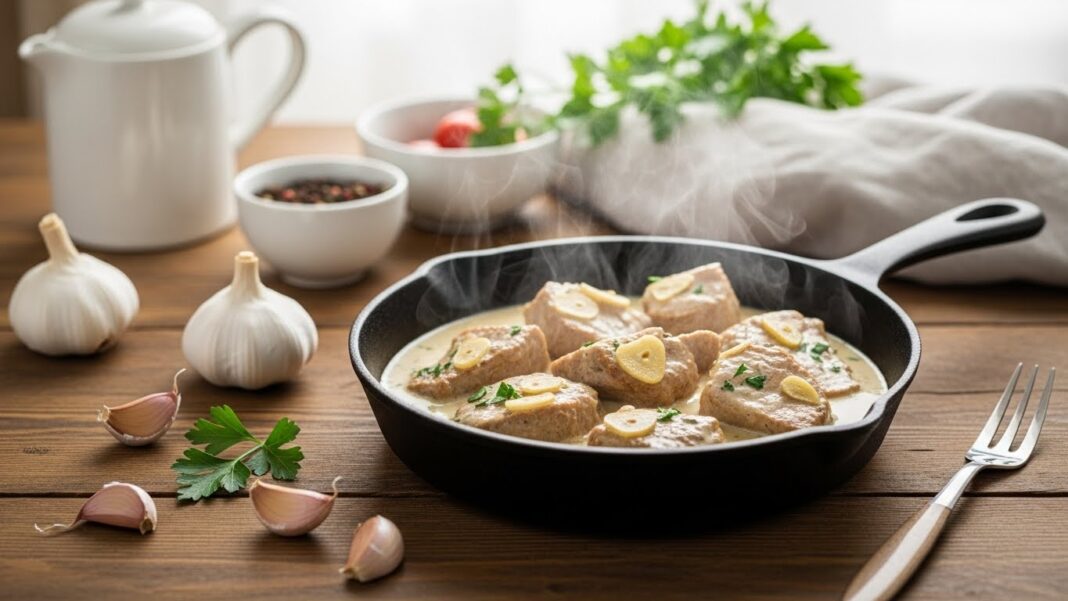
Is fojatosgarto hard to cook? This question has intrigued home chefs and culinary enthusiasts who’ve encountered this distinctive dish in Eastern European cuisine. Fojatosgarto, a traditional Hungarian preparation that combines the richness of garlic-infused cream sauce with tender meat, has earned a reputation for being both rewarding and somewhat challenging. The name itself—derived from “fokhagyma” (garlic) and “tarto” (cream)—hints at the complex flavors that make this dish so special. While it’s not the most difficult recipe in the culinary world, fojatosgarto does require attention to detail, proper technique, and an understanding of how ingredients interact at different cooking stages.
The perception that fojatosgarto is difficult often stems from the delicate balance required between the garlic’s pungency and the cream’s smoothness. Unlike simpler cream-based dishes, this recipe demands careful temperature control and timing to prevent the sauce from breaking or the garlic from burning. However, with the right approach and understanding of fundamental cooking principles, even intermediate home cooks can achieve restaurant-quality results. The dish’s complexity lies not in elaborate techniques but in mastering a few critical steps that separate an average fojatosgarto from an exceptional one. Throughout this guide, we’ll break down each component, addressing common challenges and providing practical solutions that demystify the cooking process and help you determine whether fojatosgarto truly deserves its intimidating reputation.
Understanding Fojatosgarto’s Culinary Heritage
Fojatosgarto has deep roots in Hungarian cuisine, where garlic and cream have long been celebrated ingredients. This dish emerged from rural kitchens where cooks transformed simple, available ingredients into something memorable. The traditional preparation method reflects a time when cooking was an art form passed down through generations, with each family adding their own subtle variations. Understanding this heritage provides valuable context for why certain techniques matter and why shortcuts often compromise the final result.
The cultural significance of fojatosgarto extends beyond mere sustenance. In Hungarian households, this dish often appears at family gatherings and celebrations, symbolizing comfort and hospitality. The recipe’s evolution over centuries has refined the balance between robust garlic flavor and the luxurious texture of cream-based sauce. Regional variations exist throughout Hungary, with some areas preferring pork while others favor chicken or veal. This diversity demonstrates the dish’s adaptability while maintaining its core identity. Recognizing fojatosgarto as part of a living culinary tradition rather than just another recipe helps cooks approach it with the respect and patience it deserves, ultimately answering the question of difficulty with greater nuance.
Read More: Shropadis
The Essential Ingredients That Make or Break Fojatosgarto
The quality of ingredients directly impacts whether fojatosgarto is hard to cook successfully. Fresh garlic stands as the cornerstone—stale or pre-minced garlic from jars simply cannot deliver the sharp, clean flavor profile this dish demands. You’ll need at least eight to ten large cloves for an authentic preparation, which should be minced or pressed just before cooking to preserve their volatile oils. Heavy cream with at least 36% fat content is equally crucial, as lower-fat alternatives tend to separate when heated with acidic components or during extended simmering.
Selecting the right protein also influences cooking difficulty. Traditional recipes often use pork loin or tenderloin, which remain tender when cooked properly but can become tough if overcooked. Chicken breast offers a leaner alternative but requires even more careful timing. Beyond the main components, supporting ingredients like white wine, chicken stock, paprika, and fresh herbs each play specific roles in building layers of flavor. Using quality butter rather than margarine for the initial sauté creates a better foundation for the sauce. Many cooks find that fojatosgarto becomes significantly easier when they invest in premium ingredients—the superior quality forgives minor technique errors and provides more consistent results throughout the cooking process.
Mastering the Garlic Preparation Technique
Garlic preparation represents one of the most critical factors in determining whether fojatosgarto is hard to cook correctly. The way you handle garlic before it hits the pan influences both flavor and the likelihood of burning. Finely minced garlic cooks more quickly and distributes flavor more evenly throughout the sauce, but it also carries higher risk of scorching. Alternatively, thinly sliced garlic or garlic pressed through a garlic press offers slightly different flavor profiles and cooking characteristics that some cooks prefer.
The timing of garlic addition separates novice attempts from professional results. Adding garlic to very hot oil almost guarantees burnt, bitter flavors that ruin the entire dish. Instead, fojatosgarto demands that you add garlic to moderately warm butter or oil, allowing it to gently perfume the fat without browning too quickly. Most successful cooks sauté the garlic for no more than 30 to 45 seconds—just until fragrant but before any color develops. Some traditional recipes call for removing the garlic after infusing the oil and then reintroducing it later with the cream, a technique that reduces the risk of bitterness. This extra step might seem fussy, but it dramatically simplifies achieving the clean garlic flavor that defines excellent fojatosgarto without the technical challenge of monitoring for that split-second before burning occurs.
Temperature Control and Timing Challenges
Temperature management arguably presents the biggest hurdle when cooking fojatosgarto. Cream-based sauces walk a fine line between undercooked and broken, requiring constant attention and adjustment. When you add cold cream to a hot pan, the temperature shock can cause proteins to seize and separate, creating an unappetizing, grainy texture. Conversely, boiling cream can cause it to break or reduce too quickly, concentrating flavors excessively and creating an overly thick consistency that masks the delicate balance between cream and garlic.
Professional chefs recommend bringing cream to room temperature before incorporating it into fojatosgarto, which gives you much better control over the cooking process. Once added, the sauce should maintain a gentle simmer—small bubbles occasionally breaking the surface rather than a rolling boil. This moderate heat allows flavors to meld while the sauce reduces to the perfect coating consistency. The meat also requires precise timing to achieve tenderness without dryness. Pork or chicken should reach safe internal temperatures (145°F for pork, 165°F for chicken) while retaining moisture. Using a meat thermometer removes guesswork and prevents overcooking, one of the most common mistakes that convinces people fojatosgarto is harder than it actually is. With practice, these temperature and timing elements become intuitive rather than stressful.
Common Mistakes That Make Fojatosgarto Seem Difficult
Several recurring errors lead home cooks to believe fojatosgarto is hard to cook when the real issue lies in specific missteps. Rushing the process tops this list—attempting to cook fojatosgarto in 20 minutes instead of the 40 to 50 minutes it truly requires invariably produces disappointing results. The sauce needs time to reduce properly and for flavors to integrate fully. Similarly, using high heat throughout might seem efficient but results in burnt garlic, seized cream, and tough meat, none of which reflect the dish’s true character when prepared correctly.
Another common mistake involves adding all ingredients simultaneously rather than building layers methodically. Fojatosgarto requires a specific sequence: sauté aromatics, brown meat, deglaze with wine, reduce, then add cream and simmer. Skipping steps or reordering them prevents proper flavor development. Inadequate seasoning also undermines many attempts—this dish needs assertive seasoning to balance the richness of cream and the punch of garlic. Finally, many cooks fail to taste and adjust throughout the process, waiting until the end when corrections become difficult. Actively tasting after each major addition allows you to course-correct incrementally. When cooks avoid these pitfalls, they often discover that fojatosgarto isn’t inherently difficult; it simply punishes certain careless approaches more severely than forgiving dishes like pasta or grilled chicken.
Simplified Techniques for Home Cooks
Modern kitchen tools and techniques can significantly reduce the difficulty of cooking fojatosgarto without compromising authenticity. A heavy-bottomed pan or enameled cast iron skillet distributes heat more evenly than thin cookware, virtually eliminating hot spots that burn garlic or cause uneven cooking. An instant-read thermometer removes the guesswork from determining when meat reaches perfect doneness. These simple tools transform fojatosgarto from a high-wire act into a manageable project for cooks of varying skill levels.
Strategic preparation also simplifies the cooking process considerably. Measuring all ingredients before you begin cooking—the mise en place approach—prevents the panicked scrambling that leads to burnt garlic or over-reduced sauce. Cutting meat into uniform pieces ensures even cooking, eliminating the frustration of some pieces overcooking while others remain underdone. Some contemporary cooks even prepare the sauce separately from the meat, combining them only at the end, which allows better control over each component. While purists might object to this modification, it demonstrates how fojatosgarto can adapt to different skill levels and kitchen setups. The essential character of the dish—that harmonious marriage of garlic and cream—remains intact regardless of whether you use traditional or streamlined methods. Understanding that multiple valid approaches exist liberates cooks from the anxiety that often accompanies attempts at “difficult” recipes.
Troubleshooting When Things Go Wrong
Even experienced cooks occasionally encounter problems with fojatosgarto, but most issues have straightforward solutions. If your sauce breaks and appears grainy or separated, immediately remove it from heat and whisk in a tablespoon of cold cream or a small amount of cornstarch slurry. This often brings the sauce back together, though the texture may not be quite as silky as a perfectly executed version. For sauce that’s too thin, continue simmering gently while stirring occasionally, or whisk in a small amount of beurre manié (flour and butter paste) to thicken it without altering the flavor significantly.
Burnt garlic presents a more challenging problem because its bitter taste permeates the entire dish. Unfortunately, no fix exists for truly burnt garlic—you’ll need to start over with fresh ingredients. This harsh reality explains why garlic preparation receives so much emphasis in fojatosgarto recipes. If meat turns out tough or dry, slicing it thinly against the grain before serving can improve perceived tenderness, though prevention through proper temperature monitoring is preferable. Oversalted fojatosgarto can sometimes be rescued by adding more cream or a small amount of sugar to balance the flavors. Learning these recovery techniques builds confidence, making fojatosgarto feel less intimidating. Knowing that mistakes aren’t necessarily catastrophic and that solutions exist for most problems transforms the cooking experience from stressful to educational, regardless of whether the final product achieves perfection.
Is Fojatosgarto Really That Hard? The Verdict
After examining every aspect of preparing fojatosgarto, we can provide a nuanced answer to whether this dish is truly hard to cook. For absolute beginners with limited kitchen experience, fojatosgarto presents moderate challenges primarily related to timing, temperature control, and ingredient handling. However, it doesn’t require advanced knife skills, specialized equipment, or rare ingredients, placing it well within reach of intermediate home cooks who follow instructions carefully. The dish’s reputation for difficulty seems somewhat inflated, likely stemming from its unfamiliarity rather than genuine technical complexity.
Compared to notoriously difficult preparations like soufflés, consommé, or puff pastry, fojatosgarto is considerably more forgiving and accessible. The skills it develops—controlling heat, building layered flavors, and working with cream sauces—transfer readily to countless other recipes, making it an excellent learning opportunity. Success with fojatosgarto depends less on innate culinary talent and more on patience, attention to detail, and willingness to follow the process without rushing. Most cooks who attempt it two or three times report that it becomes significantly easier with practice as they internalize the rhythm and visual cues that indicate proper progression. The answer to “is fojatosgarto hard to cook” ultimately depends on your current skill level and expectations, but for motivated home cooks willing to invest time in understanding the technique, this distinctive Hungarian dish is absolutely achievable and deeply rewarding.
Conclusion
So, is fojatosgarto hard to cook? The honest assessment is that while it requires more attention than basic weeknight meals, it’s far from the most challenging dish in European cuisine. Success hinges on respecting a few fundamental principles: using quality ingredients, managing temperature carefully, preparing garlic properly, and allowing adequate time for flavors to develop. The dish’s seeming difficulty often reflects unfamiliarity with cream sauce techniques rather than any inherent complexity. With proper guidance and realistic expectations, most home cooks can produce impressive fojatosgarto that honors its Hungarian heritage while building valuable culinary skills. Whether you’re looking to expand your cooking repertoire or simply curious about this garlic-and-cream classic, approach fojatosgarto as an opportunity rather than an obstacle. Your first attempt might not achieve perfection, but the learning experience and eventual mastery make the journey worthwhile. Why not gather your ingredients this weekend and discover for yourself whether fojatosgarto deserves its intimidating reputation?

