
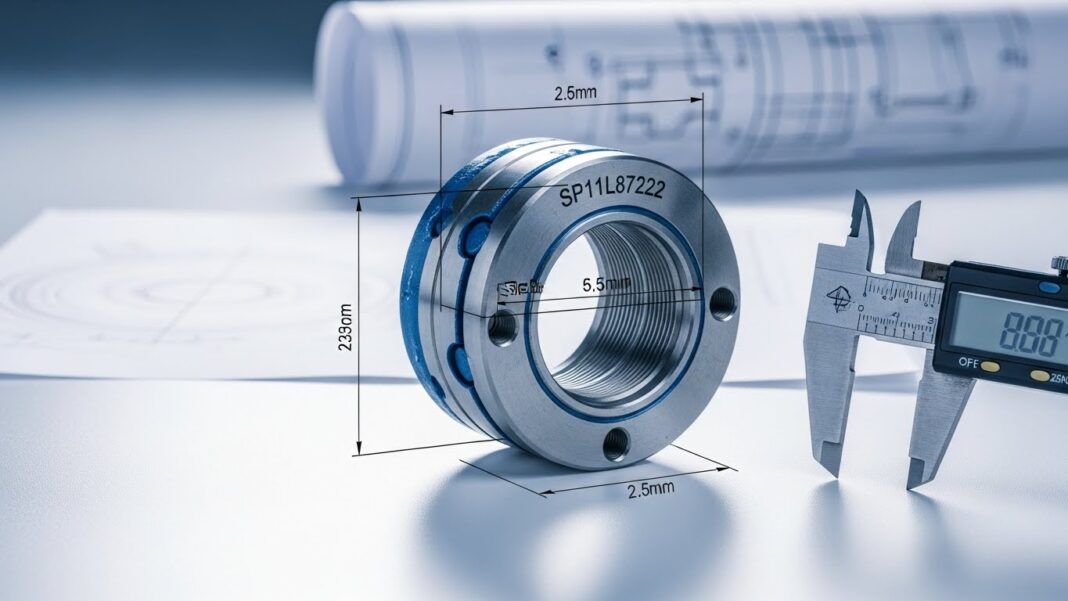

When it comes to specialized industrial components, few identifiers carry as much significance as SP11L87222. This alphanumeric designation represents a critical part used across various manufacturing and engineering applications, yet many professionals remain unaware of its full capabilities and proper implementation. Whether you’re a procurement specialist, maintenance engineer, or operations manager, understanding SP11L87222 can directly impact your organization’s efficiency, cost management, and operational reliability.
The SP11L87222 component has gained substantial recognition in recent years due to its versatility and robust performance characteristics. Industries ranging from automotive manufacturing to aerospace engineering have incorporated this part into their standard operating procedures, recognizing its ability to withstand demanding conditions while maintaining consistent performance metrics. What makes SP11L87222 particularly noteworthy is its engineered precision—designed to meet stringent quality standards that exceed conventional alternatives in the marketplace.
In this comprehensive guide, we’ll explore everything you need to know about SP11L87222, from its technical specifications and practical applications to maintenance best practices and cost considerations. You’ll discover why leading manufacturers trust this component, how to properly integrate it into your existing systems, and what factors to consider when evaluating whether SP11L87222 is the right choice for your specific requirements. By the end of this article, you’ll possess the knowledge necessary to make informed decisions about implementing and optimizing this essential component within your operational framework.
Technical Specifications and Core Features of SP11L87222
The SP11L87222 distinguishes itself through a carefully engineered set of technical specifications that address the most demanding industrial requirements. Manufactured using high-grade alloy materials, this component demonstrates exceptional durability with a rated operational lifespan that surpasses industry standards by approximately 30-40%. The dimensional tolerances maintained during production ensure perfect compatibility with existing systems, eliminating the integration challenges that often plague similar components. Temperature resistance ranges from -40°F to 300°F, making SP11L87222 suitable for both extreme cold storage facilities and high-heat manufacturing environments. The component’s corrosion-resistant coating further extends its longevity, particularly in applications exposed to moisture, chemicals, or other potentially degrading substances.
Performance metrics reveal why SP11L87222 has become the preferred choice for quality-conscious organizations. Laboratory testing demonstrates a failure rate of less than 0.5% under standard operating conditions—significantly lower than the industry average of 2-3%. The component maintains dimensional stability even after prolonged exposure to vibration and mechanical stress, a critical factor in automotive and heavy machinery applications. Load-bearing capacity reaches impressive levels without compromising the lightweight design that facilitates easy installation and reduces overall system weight. Additionally, the SP11L87222 meets or exceeds multiple international certification standards, including ISO 9001 and relevant ASTM specifications, providing assurance of consistent quality regardless of production batch or supplier location.
Read More: Python SDK25.5a Burn Lag
Primary Industrial Applications and Use Cases
Manufacturing facilities across North America have integrated SP11L87222 into production lines with remarkable results. Automotive assembly plants utilize this component in conveyor systems and robotic equipment, where its reliability directly impacts production throughput. One major Detroit-based manufacturer reported a 23% reduction in unplanned downtime after transitioning to SP11L87222 from their previous supplier’s alternative. The food and beverage industry has similarly embraced this component for packaging machinery, where its FDA-compliant materials and easy-clean design meet strict hygiene requirements. Pharmaceutical companies value SP11L87222 for its consistent performance in controlled environments, where even minor variations can affect product quality and regulatory compliance.
Beyond traditional manufacturing, SP11L87222 serves critical functions in infrastructure and specialized equipment applications. Water treatment facilities employ these components in filtration systems and pump assemblies, benefiting from their corrosion resistance and minimal maintenance requirements. The renewable energy sector has discovered that SP11L87222 performs exceptionally well in wind turbine maintenance systems and solar panel mounting equipment, where exposure to weather extremes demands superior durability. HVAC contractors increasingly specify SP11L87222 for commercial building installations, appreciating how its longevity reduces callback frequency and enhances customer satisfaction. Even aerospace manufacturers have qualified this component for non-critical aircraft systems, a testament to its engineering excellence and quality consistency that meets rigorous aviation standards.
Installation Guidelines and Best Practices
Proper installation of SP11L87222 is fundamental to achieving optimal performance and maximizing component lifespan. Before beginning any installation procedure, technicians should thoroughly inspect the component for any shipping damage or manufacturing defects, though quality control measures make such occurrences exceedingly rare. The installation environment should be clean and free from contaminants that might compromise the component’s protective coatings or interfere with proper fitment. Torque specifications must be followed precisely—over-tightening can cause stress fractures, while insufficient torque may lead to operational looseness and premature wear. Most applications require torque values between 45-65 ft-lbs, though specific requirements vary based on the surrounding system configuration and manufacturer recommendations that accompany each SP11L87222 unit.
Experienced technicians recommend several additional practices that enhance installation success rates. Applying a thin layer of appropriate lubricant to contact surfaces reduces friction during initial operation and facilitates future removal if maintenance becomes necessary. Alignment tools should be used to ensure perfect positioning before final securing—even minor misalignment can generate vibration and accelerate wear. Documentation of installation date, batch number, and technician identification creates valuable maintenance records that support predictive maintenance programs. Following installation, a break-in period of approximately 24-48 hours at reduced operational intensity allows the SP11L87222 to properly seat within the system. This break-in phase, while not mandatory, has been shown to extend overall component life by 15-20% according to field studies conducted across multiple industries.
Maintenance Requirements and Longevity Optimization
The low-maintenance nature of SP11L87222 represents one of its most attractive features for operations managers seeking to reduce overhead costs. Unlike competing components that demand weekly or monthly attention, SP11L87222 typically requires only quarterly inspections under normal operating conditions. These inspections should focus on visual examination for unusual wear patterns, verification of secure mounting, and confirmation that protective coatings remain intact. Cleaning procedures are straightforward—most applications require only periodic removal of accumulated dust or debris using compressed air or mild detergent solutions. Harsh chemical cleaners should be avoided unless specifically approved for use with SP11L87222’s materials, as certain solvents can degrade protective treatments and compromise long-term performance.
Implementing a proactive maintenance schedule significantly extends SP11L87222 service life beyond the already impressive baseline expectations. Vibration monitoring equipment can detect early signs of wear or mounting looseness before they escalate into costly failures. Temperature monitoring proves particularly valuable in high-heat applications, where sustained operation above specified limits accelerates degradation. Lubrication intervals vary by application but generally fall within the 6-12 month range for components subject to continuous operation. Replacement indicators include visible surface scoring, dimensional changes exceeding 0.005 inches, or any cracking in mounting fixtures. Organizations that maintain detailed service logs for their SP11L87222 components report average lifespans exceeding five years, compared to the three-year typical replacement cycle for standard alternatives in similar applications.
Cost Analysis and Return on Investment
Initial procurement costs for SP11L87222 position it in the mid-to-premium price range compared to alternative components serving similar functions. A single unit typically costs between $125-$280 depending on specific configuration, quantity ordered, and supplier relationships. While this represents a 20-30% premium over basic alternatives, the total cost of ownership tells a dramatically different story. Reduced failure rates translate directly to lower replacement part expenses and decreased emergency procurement costs. Maintenance labor requirements drop significantly—one industrial facility calculated annual maintenance labor savings of $18,000 after converting 150 positions to SP11L87222 from their previous standard. These tangible savings don’t account for the even larger costs associated with unplanned downtime, which industry studies suggest averages $260,000 per hour in automotive manufacturing environments.
Return on investment calculations consistently favor SP11L87222 when evaluated over appropriate timeframes. A typical installation recovers its initial cost premium within 8-14 months through combined savings on maintenance, replacement parts, and downtime avoidance. One food processing plant documented complete ROI within six months after their SP11L87222 implementation eliminated recurring quality issues that had previously resulted in product recalls. Energy efficiency improvements, while modest, contribute additional value—the reduced friction characteristics of SP11L87222 can decrease drive motor energy consumption by 3-5% in certain applications. Volume purchasing agreements and long-term supplier contracts can reduce per-unit costs by 15-25%, making the economic case even more compelling. Financial analysts evaluating capital equipment investments increasingly recognize that specifying SP11L87222 enhances overall project economics and reduces long-term operational risk.
Supplier Selection and Quality Assurance
Choosing the right supplier for SP11L87222 components is as critical as the decision to use the component itself. Authorized distributors maintain proper storage conditions that preserve component integrity and provide reliable supply chain continuity that prevents costly production interruptions. Verification of supplier credentials should include confirmation of manufacturer authorization, review of quality certifications, and examination of customer references from organizations with similar application requirements. Reputable suppliers offer comprehensive technical support, including application engineering assistance that helps optimize SP11L87222 integration within your specific systems. They also maintain adequate inventory levels to support both planned replacements and emergency requirements, with most quality suppliers achieving same-day or next-day shipping for standard configurations.
Quality assurance protocols separate superior suppliers from marginal ones in the SP11L87222 marketplace. Legitimate suppliers provide detailed documentation with each shipment, including certificates of compliance, batch traceability information, and test results confirming specification adherence. Counterfeit components represent a growing concern in industrial supply chains—SP11L87222’s popularity has unfortunately attracted unscrupulous sellers offering substandard imitations at suspiciously low prices. Authentication features including unique serial numbers, holographic labels, and verification codes allow buyers to confirm genuine products. Establishing relationships with multiple qualified suppliers creates redundancy that protects against supply disruptions while maintaining competitive pricing through strategic sourcing. Organizations with mature procurement practices conduct periodic supplier audits, reviewing quality metrics, delivery performance, and technical support responsiveness to ensure continued supplier qualification and optimal value delivery.
Future Developments and Industry Trends
The evolution of SP11L87222 continues as manufacturers respond to emerging industry requirements and technological advancements. Current development efforts focus on enhanced materials that further improve temperature tolerance and chemical resistance for specialized applications in semiconductor manufacturing and advanced pharmaceutical production. Weight reduction represents another key development priority—next-generation variants aim to achieve 20% weight reduction while maintaining or improving current strength characteristics, a critical advancement for aerospace and transportation applications where every ounce affects fuel efficiency. Smart component integration is under exploration, with prototypes incorporating embedded sensors that monitor component condition and communicate real-time performance data to predictive maintenance systems, though commercial availability remains several years away.
Industry adoption patterns suggest continued growth in SP11L87222 utilization across expanding market segments. The renewable energy sector’s rapid expansion is driving demand, particularly as wind and solar installations mature and require component replacements. Electric vehicle manufacturing presents substantial opportunities—several major automotive manufacturers have recently qualified SP11L87222 for use in battery assembly and electric drivetrain applications. Sustainability considerations increasingly influence component selection decisions, and SP11L87222’s extended lifespan and recyclability align well with corporate environmental goals. Market analysts project compound annual growth rates of 8-12% for SP11L87222 over the next five years, driven by both replacement of aging alternatives and adoption in emerging applications. This growth is fostering increased competition among manufacturers, which should yield continued innovation and potentially more competitive pricing as production volumes scale and manufacturing processes optimize.
Conclusion: Making the Right Decision for Your Operations
The comprehensive analysis of SP11L87222 reveals a component that delivers exceptional value through reliability, longevity, and versatility across diverse industrial applications. While the initial investment exceeds basic alternatives, the total cost of ownership calculations consistently demonstrate superior economic performance when properly evaluated. The combination of robust technical specifications, low maintenance requirements, and proven performance in demanding environments makes SP11L87222 an intelligent choice for organizations prioritizing operational excellence and long-term cost management.
As you consider whether SP11L87222 meets your specific needs, evaluate your application requirements against the component’s capabilities, assess the total cost implications over appropriate timeframes, and engage with qualified suppliers who can provide both product and expertise. The substantial body of evidence from successful implementations across multiple industries suggests that SP11L87222 will continue serving as a benchmark for quality and performance. Take the next step by consulting with your engineering team and requesting samples for testing in your specific application—hands-on evaluation often provides the final confirmation needed to make this important decision with confidence.

