

Introduction
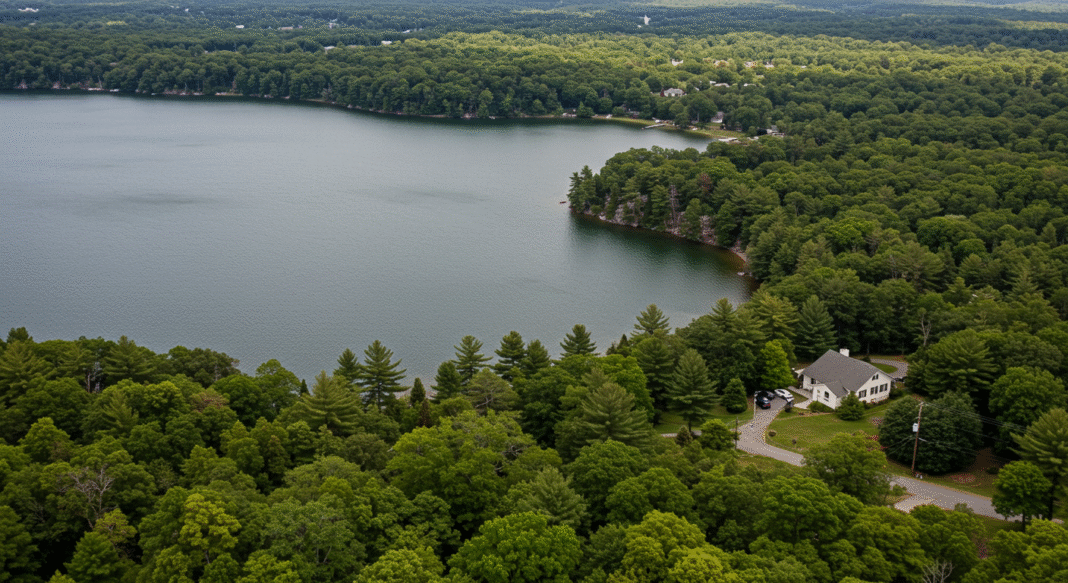
When writing about geographical landmarks, proper capitalization plays a major role in both clarity and professionalism. One question that often arises is whether “Lake Texoma should be capitalized.” This might seem like a small detail, but in reality, capitalization affects how readers interpret your writing, whether it’s for academic work, professional documents, or online content. Lake Texoma, a large reservoir on the border of Texas and Oklahoma, is more than just a body of water—it’s a named place. Just like Mount Everest or the Mississippi River, its name is unique, specific, and therefore requires capitalization according to standard English grammar rules.
Understanding why “Lake Texoma should be capitalized” goes beyond memorizing a rule. It connects to broader conventions of writing, such as how we treat proper nouns, titles, and cultural references. For instance, the word “lake” on its own is a common noun and is not capitalized unless it begins a sentence. However, when paired with a specific name like “Texoma,” the phrase becomes a proper noun and must be written as “Lake Texoma.” This distinction may seem obvious to seasoned writers, but it’s a point that students, professionals, and casual writers often overlook.
Correct capitalization is also vital in digital spaces, where search engines rely on accuracy and readers expect professionalism. Writing “lake Texoma” instead of “Lake Texoma” might not only appear careless but also reduce the credibility of your content. In branding, tourism, and journalism, small mistakes like this can change how readers perceive your authority. So, the answer is clear: Lake Texoma should always be capitalized. Let’s explore the rules, examples, and real-world contexts that explain why.
Why Lake Texoma Should Be Capitalized
The simplest explanation for why Lake Texoma should be capitalized is that it is a proper noun. In English, proper nouns refer to unique people, places, or things. Common nouns, such as “river,” “mountain,” or “lake,” are general categories and are not capitalized unless they begin a sentence. Once we attach a specific name, however, the phrase transforms into a proper noun, requiring capitalization. For example, “the lake” remains lowercase, but “Lake Texoma” must always appear with both words capitalized.
This rule aligns with widely accepted grammar standards, including those published in style guides like the Chicago Manual of Style and the Associated Press Stylebook. These guides emphasize that geographical names follow capitalization conventions without exception. If a writer fails to capitalize Lake Texoma, it signals either a lack of knowledge or a lack of care, both of which can reduce the impact of the writing. By consistently writing “Lake Texoma,” you not only respect grammatical correctness but also preserve the cultural and geographical identity of the location itself.
Capitalization Rules for Geographic Names
Geographic names follow consistent capitalization rules that apply across rivers, mountains, oceans, and lakes. When the generic term is used alone, such as “the mountain” or “the river,” it is lowercase. But when paired with a specific name, the whole phrase must be capitalized. For instance, it is “Mount Kilimanjaro,” “Colorado River,” and “Lake Texoma.” This simple rule ensures that readers understand whether you are speaking in general terms or referring to a particular landmark.
It’s also worth noting that the order of words in a geographic name matters. For example, “Lake Texoma” places the generic word before the specific name, while “Grand Canyon” places the descriptor before the noun. Regardless of word order, both words must be capitalized because together they form a proper noun. This consistency across geographic naming conventions demonstrates why capitalization is not just optional but essential.
The Importance of Proper Capitalization in Writing
Capitalization may seem like a minor detail, but it plays a major role in establishing professionalism. When writing for business, education, or publishing, correct capitalization shows that the writer is attentive to detail. Using “Lake Texoma should be capitalized” as an example, imagine reading a travel brochure where the name was lowercase. It would immediately diminish trust in the source, even if the content itself was informative.
Beyond credibility, capitalization also affects clarity. Proper nouns differentiate specific places from general ones, preventing confusion for readers. If someone writes, “the lake is a popular fishing spot,” the meaning remains vague until clarified. But when the text specifies, “Lake Texoma is a popular fishing spot,” the information becomes precise, accurate, and valuable. Proper capitalization eliminates ambiguity and ensures that communication is effective.
Common Mistakes with Lake Texoma Capitalization
One frequent mistake is treating “Texoma” as the only capitalized word, leaving “lake” lowercase. This error often happens when writers assume that the generic term does not need capitalization. However, when it’s part of the official name, both words must be capitalized. The correct form is “Lake Texoma,” not “lake Texoma.”
Another mistake occurs in titles and headlines. Some writers mistakenly lowercase smaller words for style reasons, but grammar rules still apply. For example, “Fishing at Lake Texoma” is correct, while “Fishing at lake Texoma” is not. Titles and headlines should follow both stylistic guidelines and grammatical accuracy to ensure readability and authority.
How Style Guides Treat Lake Texoma
The major style guides in American English—AP, MLA, and Chicago—are unanimous on capitalization rules for proper nouns. All would agree that Lake Texoma should be capitalized. For journalists following AP Style, the guidance is straightforward: capitalize geographic names. In academic writing under MLA or Chicago Style, the same principle applies, ensuring consistency across formats.
This consistency is important because it prevents confusion in professional communication. When students, journalists, and businesses follow the same capitalization rules, readers can trust that information is reliable and consistent. By applying these guidelines, you maintain credibility and adhere to respected language standards.
The Role of Capitalization in SEO and Online Content
In digital publishing, capitalization impacts not only readability but also search engine optimization. While search engines are technically case-insensitive, correct capitalization builds trust with readers. Someone searching for “Lake Texoma should be capitalized” expects professional content that follows grammar rules. If they encounter lowercase usage, they may assume the article is poorly written and leave the page.
Additionally, correct capitalization enhances brand authority. Travel websites, blogs, and local business pages that mention Lake Texoma benefit from professional presentation. In competitive online spaces, details like capitalization can influence user engagement, bounce rates, and overall credibility. For this reason, writers in digital media must ensure accuracy in every detail—including capitalization.
Conclusion
The debate over whether Lake Texoma should be capitalized has a clear and simple answer: yes, always. As a proper noun, it refers to a unique and identifiable geographic landmark, and therefore both words in the name must be capitalized. From grammar rules to professional credibility, this convention ensures clarity, accuracy, and respect for the place itself.
Whether you’re writing for academic purposes, digital platforms, or professional documents, remembering that “Lake Texoma should be capitalized” is more than just a grammar rule—it’s a reflection of your attention to detail. Proper capitalization helps establish trust with readers, improves communication, and aligns with recognized style guides. By treating Lake Texoma with the grammatical respect it deserves, you not only write correctly but also enhance the quality and professionalism of your work.

