

Introduction
In an era where modern medicine dominates healthcare conversations, ancient healing traditions like Shropadis are experiencing a remarkable renaissance. This centuries-old practice, rooted in holistic wellness philosophies, offers a compelling alternative approach to health and vitality. Shropadis represents more than just a collection of remedies—it embodies a comprehensive system that addresses physical, mental, and spiritual well-being through natural interventions and time-tested methodologies.
The growing interest in Shropadis stems from a collective desire to reconnect with ancestral wisdom and explore gentler, more sustainable approaches to health maintenance. As chronic diseases proliferate and pharmaceutical side effects concern more patients, practitioners and wellness enthusiasts are rediscovering the profound benefits embedded within traditional systems. This ancient practice emphasizes prevention over cure, balance over suppression, and harmony between body and environment.
What makes Shropadis particularly relevant today is its adaptability to contemporary lifestyles without compromising its fundamental principles. Modern research has begun validating many of the practices that Shropadis healers have employed for generations, bridging the gap between traditional knowledge and scientific understanding. From stress management techniques to natural immunity boosters, this holistic system offers practical solutions for the wellness challenges of our time. Understanding Shropadis means exploring not just remedies, but an entire philosophy of living that prioritizes sustainable health, environmental consciousness, and the interconnectedness of all aspects of human existence.
The Historical Foundations of Shropadis
The origins of Shropadis stretch back thousands of years, emerging from communities that lived in deep harmony with their natural surroundings. Historical texts and oral traditions reveal that early practitioners developed their knowledge through careful observation of nature, experimentation with botanical resources, and spiritual practices passed down through generations. These healers understood that true wellness required addressing not just physical symptoms but the underlying imbalances affecting the entire person. The wisdom of Shropadis was typically preserved within families or specific lineages, with master healers training select apprentices in the intricate arts of diagnosis, herb preparation, and energy work.
Archaeological evidence and ancient manuscripts suggest that Shropadis evolved as a sophisticated medical system complete with its own diagnostic methods, treatment protocols, and philosophical framework. Unlike fragmented folk remedies, this tradition developed comprehensive theories about health, disease causation, and the human body’s innate healing capacities. Practitioners documented their successes and failures, refining techniques across centuries to create an increasingly effective therapeutic approach. The resilience of Shropadis through periods of colonization, modernization, and cultural upheaval speaks to its fundamental efficacy and the dedication of those who preserved this knowledge despite overwhelming pressure to abandon traditional ways in favor of Western medical models.
Read More: Brianchavez85
Core Principles and Philosophy Behind Shropadis
At the heart of Shropadis lies the principle of holistic balance—the understanding that optimal health emerges when physical, emotional, mental, and spiritual dimensions exist in harmonious equilibrium. Practitioners view the human body not as a machine with interchangeable parts but as an integrated organism intimately connected to its environment, diet, emotions, and spiritual state. This perspective fundamentally shifts the therapeutic approach from symptom suppression to root cause resolution. Shropadis emphasizes that external symptoms merely reflect deeper imbalances, and lasting healing requires addressing these underlying disruptions rather than masking surface manifestations.
Another foundational concept within Shropadis is the recognition of individual constitution and the rejection of one-size-fits-all treatments. Practitioners assess each person’s unique characteristics, lifestyle patterns, environmental influences, and inherent tendencies before recommending interventions. This personalized approach acknowledges that what heals one individual might prove ineffective or even harmful for another. The philosophy also emphasizes prevention as the highest form of medicine, encouraging daily practices that maintain balance before disease develops. Through dietary guidance, seasonal adjustments, stress management techniques, and spiritual practices, Shropadis provides a comprehensive roadmap for sustaining wellness throughout life’s various stages and challenges, making it remarkably relevant for modern preventive healthcare approaches.
Natural Remedies and Herbal Applications in Shropadis
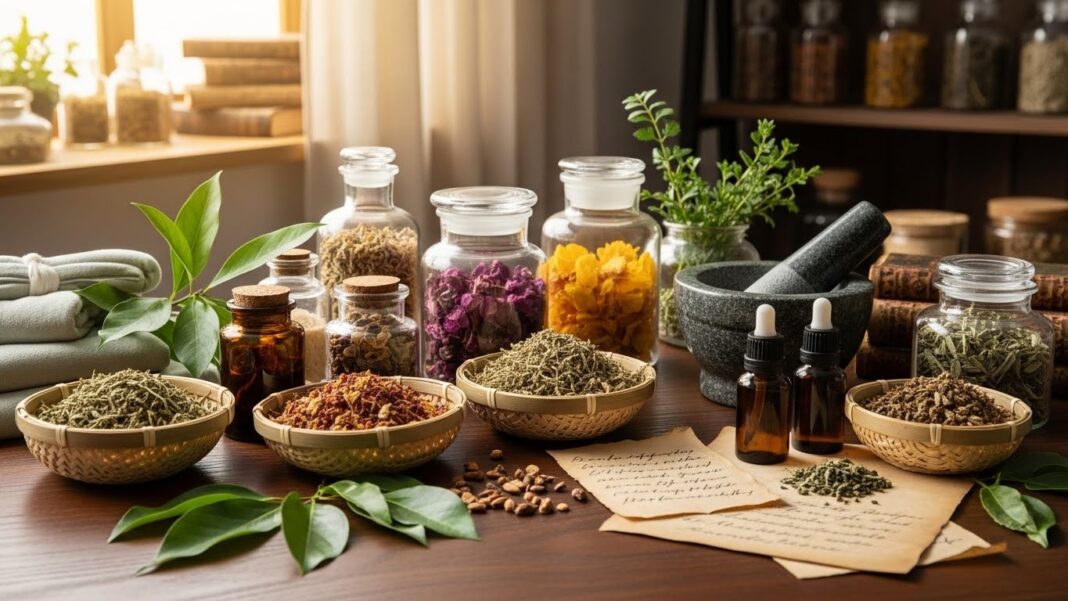
The pharmacopeia of Shropadis encompasses hundreds of medicinal plants, minerals, and natural substances, each selected for specific therapeutic properties and energetic qualities. Practitioners possess extensive knowledge about proper harvesting times, preparation methods, dosage calculations, and potential interactions—wisdom accumulated through millennia of careful observation and experimentation. Unlike isolated pharmaceutical compounds, Shropadis remedies typically utilize whole plants or synergistic combinations that work together to produce healing effects while minimizing adverse reactions. Common preparations include decoctions, tinctures, poultices, medicated oils, and powders, each method chosen to optimize the extraction and delivery of therapeutic compounds.
The herbal applications within Shropadis extend beyond internal consumption to include topical treatments, aromatherapy, steam therapies, and ritualistic uses that engage multiple healing dimensions simultaneously. For digestive complaints, practitioners might prescribe specific herb combinations alongside dietary modifications and stress reduction practices, recognizing that gut health reflects emotional states and lifestyle patterns. Respiratory conditions receive treatments that address not just infection but underlying constitutional weaknesses and environmental factors contributing to susceptibility. Modern scientific research has begun identifying the biochemical mechanisms behind many traditional Shropadis remedies, discovering anti-inflammatory compounds, immune modulators, and antioxidants that validate centuries of empirical use. This convergence of traditional wisdom and contemporary science strengthens the credibility of Shropadis while opening new possibilities for integrative healthcare approaches that combine the best of both worlds.
Diagnostic Techniques Unique to Shropadis Practice
Shropadis practitioners employ distinctive diagnostic methods that differ markedly from conventional medical approaches, emphasizing subtle signs that reveal underlying imbalances before they manifest as overt disease. Pulse diagnosis represents one of the most refined skills, where trained practitioners detect dozens of pulse qualities that indicate the state of various organs, energy channels, and constitutional patterns. This ancient technique requires years of practice to master, as practitioners learn to distinguish between superficial and deep pulses, assess their strength, rhythm, and quality, and interpret these findings within the broader context of the patient’s presentation. Tongue examination provides another crucial diagnostic window, with practitioners noting color, coating, shape, moisture, and other characteristics that reflect internal conditions.
Beyond these physical assessments, Shropadis diagnosis incorporates extensive patient interviews exploring lifestyle patterns, emotional tendencies, dietary habits, sleep quality, and environmental exposures. Practitioners understand that health challenges rarely arise from single causes but represent complex interactions between multiple factors. The diagnostic process itself serves therapeutic purposes, as patients gain insights into how their choices and circumstances contribute to their condition. Seasonal influences, geographical location, occupational stresses, and relationship dynamics all enter the diagnostic equation. This comprehensive evaluation enables practitioners to develop truly individualized treatment protocols that address not just symptoms but the unique constellation of factors creating imbalance in each person’s life. The depth and nuance of Shropadis diagnostic methods highlight the sophistication of this traditional system and its relevance for addressing the complex, chronic conditions increasingly prevalent in modern society.
Integrating Shropadis with Modern Wellness Practices
The integration of Shropadis principles into contemporary wellness culture represents an exciting frontier in holistic health. Many practitioners now successfully combine traditional Shropadis approaches with modern diagnostics, using laboratory tests to confirm assessments while employing natural therapies for treatment. This integrative model respects the strengths of both systems—conventional medicine’s diagnostic precision and emergency interventions alongside Shropadis’s holistic understanding and gentle, sustainable healing methods. Wellness centers increasingly offer Shropadis consultations alongside yoga classes, nutritional counseling, and mindfulness training, creating comprehensive programs that address multiple dimensions of health simultaneously.
The principles of Shropadis translate remarkably well to modern health challenges such as chronic stress, autoimmune conditions, metabolic disorders, and mental health issues—problems often resistant to conventional treatments alone. Corporate wellness programs have begun incorporating Shropadis-inspired practices like herbal teas, stress reduction techniques, and seasonal eating guidelines to improve employee health and productivity. Athletic trainers utilize Shropadis remedies for injury recovery and performance optimization, finding that natural anti-inflammatory preparations support healing without the side effects of pharmaceutical alternatives. The digital age has also facilitated Shropadis’s spread, with online consultations, educational platforms, and practitioner directories making this knowledge accessible to geographically dispersed audiences. As research continues validating traditional practices, insurance companies and healthcare institutions show increasing openness to integrative approaches that include Shropadis modalities, particularly for chronic conditions where conventional treatments provide limited relief or create dependency concerns.
Common Conditions Addressed Through Shropadis
Shropadis offers particularly effective interventions for digestive disorders, recognizing that gut health fundamentally influences overall wellness. Practitioners address conditions ranging from occasional indigestion to chronic inflammatory bowel problems through customized herbal formulations, dietary modifications, and lifestyle adjustments. The approach considers not just what someone eats but how they eat, when they eat, their emotional state during meals, and the digestive strength unique to their constitution. For stress-related conditions including anxiety, insomnia, and tension headaches, Shropadis provides gentle yet effective remedies combined with breathing practices, meditation techniques, and lifestyle counseling that address root causes rather than merely suppressing symptoms.
Musculoskeletal complaints represent another area where Shropadis demonstrates significant therapeutic value. Arthritis, back pain, sports injuries, and chronic tension respond well to topical applications of medicated oils, internal anti-inflammatory herbs, and therapeutic practices that improve flexibility and circulation. Women’s health issues including menstrual irregularities, menopausal symptoms, and fertility challenges receive specialized attention within Shropadis, with practitioners drawing on extensive traditional knowledge about hormonal balance and reproductive wellness. The system also addresses skin conditions, respiratory ailments, cardiovascular health, metabolic imbalances, and immune system support through natural means that work with the body’s innate healing intelligence. Increasingly, people turn to Shropadis for support during cancer treatment, finding that certain practices help manage side effects from chemotherapy and radiation while supporting overall resilience. The breadth of conditions addressable through Shropadis reflects its comprehensive understanding of health and disease, making it a valuable complement to conventional medical care.
Training and Certification in Shropadis Healing Arts
Traditional Shropadis training followed an apprenticeship model where students lived with master practitioners for years, learning through direct observation, hands-on practice, and immersion in the healing arts. This intensive approach ensured not just technical knowledge transfer but the cultivation of intuition, ethical grounding, and the subtle diagnostic skills that distinguish exceptional practitioners. Students learned herb identification in the wild, preparation techniques, patient assessment methods, and the philosophical foundations that inform treatment decisions. The training emphasized character development alongside clinical skills, recognizing that effective healers must embody the balance and wisdom they seek to instill in patients.
Modern Shropadis education has evolved to include formal programs offered by specialized schools and institutes, though the most authentic training still emphasizes mentorship relationships and extensive supervised clinical practice. Certification requirements vary by region and organization, but comprehensive programs typically span several years and include botanical medicine, diagnostic techniques, treatment protocols, ethics, and business practices for those establishing independent practices. Some practitioners pursue dual credentials, combining Shropadis training with degrees in nursing, nutrition, or other healthcare fields to expand their professional scope. The challenge for contemporary Shropadis education lies in preserving the depth and authenticity of traditional training while adapting to modern educational standards and regulatory requirements. Students benefit from studying multiple teachers, as each lineage preserves unique knowledge and approaches, and the richness of Shropadis emerges through exposure to diverse perspectives within the tradition. As interest grows, ensuring quality training that produces competent, ethical practitioners becomes increasingly important for maintaining the integrity and effectiveness of this ancient healing system.
The Future of Shropadis in Global Healthcare
The trajectory of Shropadis points toward increasing integration into mainstream healthcare systems as research validates traditional practices and public demand for natural approaches intensifies. Academic institutions have begun establishing research centers dedicated to studying traditional healing systems, conducting rigorous clinical trials that test Shropadis interventions against conventional treatments or as complementary therapies. These studies provide the evidence base necessary for broader acceptance by the medical community and insurance coverage for Shropadis services. Technological advances enable better standardization of herbal preparations, ensuring consistent potency and quality while sophisticated analytical techniques identify active compounds and mechanisms of action behind traditional remedies.
Looking forward, Shropadis is poised to play a significant role in addressing global health challenges including antibiotic resistance, chronic disease epidemics, mental health crises, and healthcare accessibility in underserved communities. The system’s emphasis on prevention and self-care empowers individuals to take active roles in maintaining their health, potentially reducing healthcare costs while improving outcomes. Telemedicine platforms expand access to skilled Shropadis practitioners regardless of geographical limitations, while apps and online resources make traditional wisdom available to millions seeking healthier lifestyles. Environmental concerns also align with Shropadis values, as sustainable harvesting practices, plant conservation, and respect for natural ecosystems form integral parts of authentic practice. The challenge ahead involves balancing commercialization pressures with preservation of traditional knowledge, ensuring that growth doesn’t dilute authenticity or exploit the communities that preserved this wisdom through centuries. Successfully navigating this transition requires collaboration between traditional practitioners, researchers, healthcare institutions, and policymakers committed to creating space for diverse healing modalities within an inclusive, evidence-based healthcare landscape.
Conclusion
Shropadis represents far more than an alternative medical system—it embodies a comprehensive philosophy of living that addresses the interconnected dimensions of human health and well-being. As we’ve explored throughout this article, the practices, principles, and wisdom preserved within this ancient tradition offer valuable insights for contemporary health challenges. From its sophisticated diagnostic methods to its extensive herbal pharmacopeia, from its emphasis on individualized treatment to its holistic understanding of disease causation, Shropadis provides a framework for wellness that complements and enhances modern healthcare approaches.
The resurgence of interest in Shropadis reflects a broader cultural shift toward sustainable, natural, and preventive approaches to health. Whether you’re seeking solutions for specific health concerns, exploring alternatives to pharmaceutical interventions, or simply interested in optimizing your wellness through time-tested methods, Shropadis offers accessible, effective strategies grounded in centuries of empirical observation. As research continues validating traditional practices and integration with conventional medicine deepens, this ancient healing system stands ready to contribute meaningfully to the future of global healthcare. Consider exploring Shropadis principles in your own wellness journey—the wisdom of our ancestors may hold keys to the health challenges of our modern world.

